Curly hair routine: wash day, step by step, by curl type
Cleanse, condition, leave-in, gel, diffuse. The order that keeps curls defined, what to do on refresh days, and how waves, curls and coils differ.
By the editorsUpdated 4 min read
How we chose: This is a research roundup. We compared formulas, finishes, shade ranges and what buyers report after weeks of use. It isn't a hands-on test, and we'll say so in the post when we've tried something ourselves.
If you buy through our links we may earn a commission. It never decides what we recommend. How we make money
A curly hair routine comes down to moisture and not touching your hair while it dries. Curls are dry by nature, since oil from your scalp has a hard time sliding down a spiral, so the whole routine is built to add water, seal it in, and let the curl pattern set without being brushed apart.
This is a research-based guide. We looked at formulas and what buyers with curly hair report, and we haven't tested these products ourselves.
Wash day, step by step
How often depends on your hair. Waves and looser curls do well with a wash every two or three days. Tighter coils usually go a week or more between washes. If your scalp is itchy or flaking in between, wash earlier rather than later.
Wash day, about an hour including drying
Step 1: Cleanse
Shampoo the scalp only and let the suds run down the lengths. Sulfate-free shampoos clean more gently, which helps if your hair feels stripped after a regular one. Once a month or so, use a clarifying shampoo to clear buildup.
Step 2: Condition and detangle
Put a lot of conditioner on soaking wet hair and detangle in sections with a wide-tooth comb or a flexible brush, ends first. Do this while the conditioner is still in your hair, never dry.
Step 3: Leave-in
Rinse most of the conditioner out, leaving some in if your hair is thirsty, then work in a leave-in cream while hair is still dripping. Finer hair can use a light spray, like the It's a 10 below, instead of a cream.
Step 4: Gel or cream
Rake it through in sections and scrunch upward toward the scalp. Wet hair holds more definition, so don't wait for it to start drying.
Step 5: Diffuse or air dry
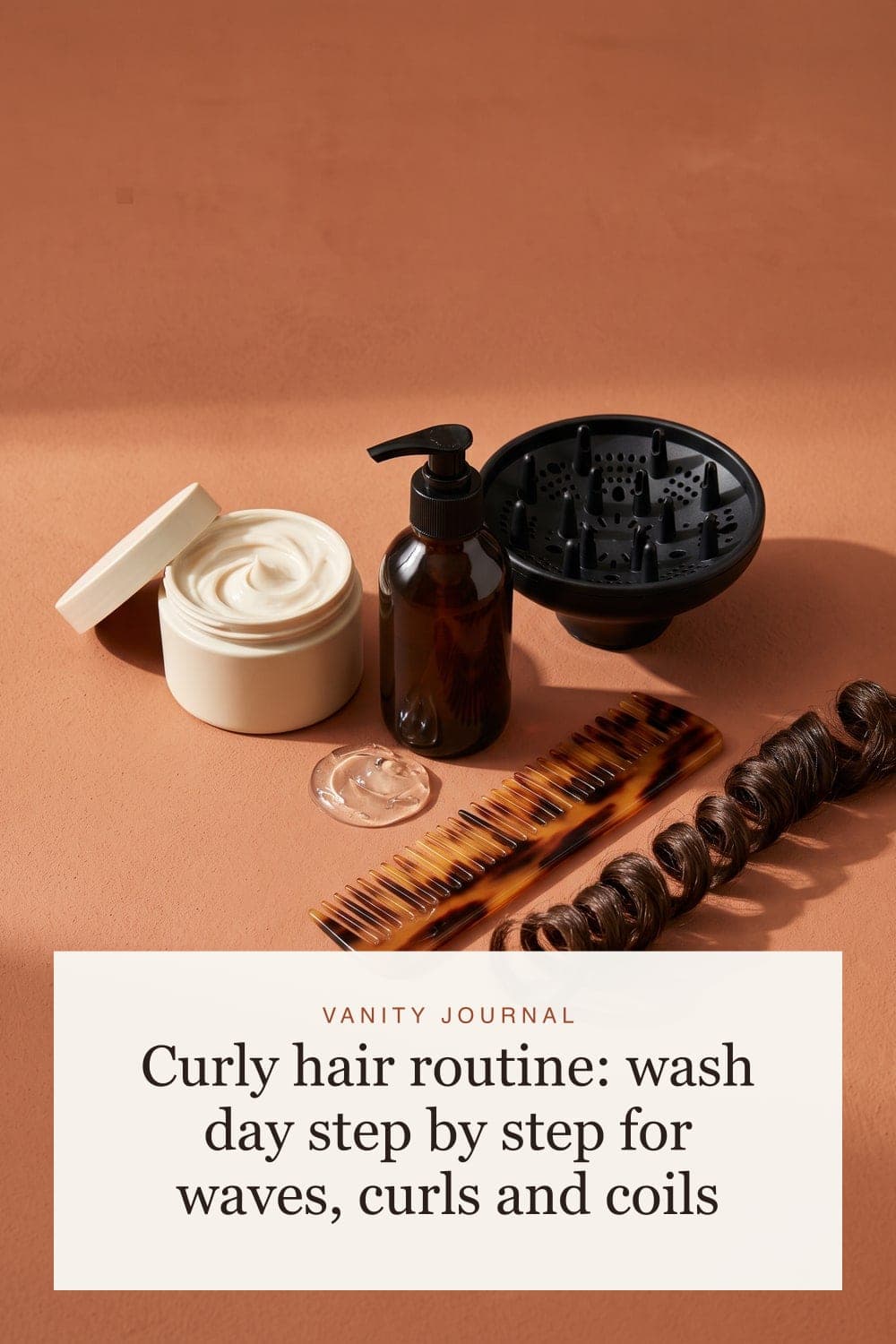
Cup sections of curls in the diffuser on low heat and low speed, and don't move your hands through them. Dry until mostly dry, then stop and let the rest finish by itself.
What the gel is for
A gel isn't about stiffness. It forms a flexible cast around each curl as it dries, which holds the pattern and fights frizz. Once hair is fully dry, scrunch it gently upward to break the cast and you get soft, defined curls. That "scrunch out the crunch" step is the one people miss, and without it a gel looks like a mistake.
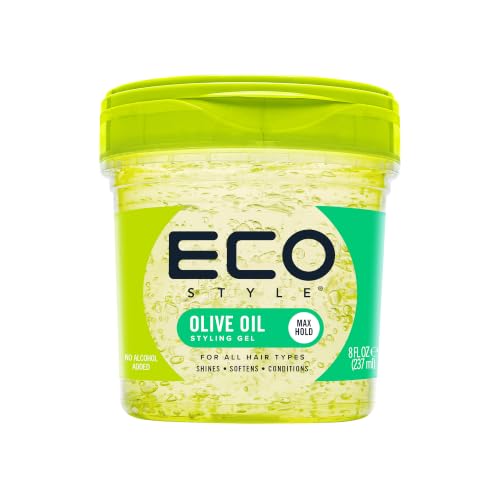
If a custard is too soft for your hair or the weather, a firmer gel is a common next step. Eco Styler's olive oil gel is the budget classic for hold, and plenty of buyers layer it over a leave-in.
 For firm hold
Eco Styler
1. Olive Oil Styling Gel
A firm-hold gel in a large tub, a long-time budget favorite for curly and coily hair. It sets with a crunchy cast that you scrunch out when dry.
Skip it if your hair is fine or easily weighed down, or you hate the crunch before you scrunch it out.
Best for: Firm, humid-day holdCheck price on Amazon
Refresh days
Between washes, the goal is to bring back the curl you set, not start over. If one side is flat, spritz it with water, add a small amount of leave-in, scrunch and let it air dry. Don't brush. A spray bottle and a bit of product is usually enough. At night, a satin bonnet or a loose pineapple (a high, loose ponytail) helps keep the pattern.

It's a 10
Miracle Leave-In Product
A light leave-in spray that the brand says does ten things, including detangling and heat protection. Popular across hair types because it's thin and easy to use.
Skip it if your hair is thick and coily. It's a light spray, so you'll probably want a cream.
Adjusting for your curl type
Waves (type 2) go limp fast. Use a lighter leave-in, less conditioner on the roots, and a mousse or light gel. Heavy creams are a common reason waves fall flat.
Curls (type 3) are the middle. Most of the routine above was written for them: conditioner, a leave-in cream and a gel or custard.
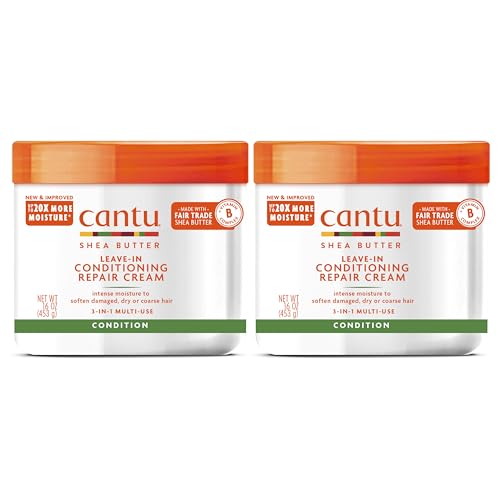
Coils (type 4) need the most moisture and the least handling. Detangle only when soaked in conditioner, use a thick leave-in like the Cantu cream below, and seal with a gel. Washing less often, with a deeper conditioner, is typical.
Cantu
Shea Butter Leave-In Conditioning Repair Cream
A thick shea butter cream aimed at dry, curly and coarse hair. It's rich, so use a small amount.
Skip it if your hair is fine or low density. It's a rich cream that can weigh it down.
If detangling takes forever, Kinky-Curly Knot Today is a slippery leave-in that curly and coily buyers often use for knots. Our best leave-in conditioners guide compares more.
How to choose products
Look for a shampoo labeled sulfate-free, and for conditioner and leave-in that list a moisturizing ingredient like glycerin or shea butter in the first few places. If your hair is fine, avoid anything labeled butter or heavy oil. If you color or heat-style your hair, a bond-repair conditioner is worth a look. For drying, use a diffuser with your dryer at low heat. More on dryers is in our best hair dryer guide.
For a second shampoo option with a different feel:

Not Your Mother's
Curl Talk Curl Care Daily Shampoo
A sulfate-free, silicone-free daily shampoo from the Curl Talk line, aimed at waves, curls and coils. A more standard lather than a cream cleanser.
Skip it if you prefer a thick, creamy cleanser. This one is a more standard shampoo.
Questions people ask
How often should I wash curly hair?
Every two or three days for waves and loose curls, and once a week or so for coils. Dry, tight hair gets drier with frequent washing. If your scalp itches or builds up flakes, wash earlier.
Should I use sulfate-free shampoo on curly hair?
It's a good default, since it cleans more gently. It isn't required, though. If your hair feels fine on a regular shampoo, there's no need to switch.
Why is my curly hair frizzy after drying?
Usually because it was touched while drying, the product went on dry hair, or the gel cast wasn't scrunched out. Frizz also comes from hair that's thirsty, so add more leave-in or condition for longer.
Can I brush my curly hair?
Only while it's soaking wet and full of conditioner. Brushing dry curls breaks up the clumps and causes frizz.
When should I see a doctor about my hair?
If your hair is thinning, shedding in clumps, or you have a flaking, painful or very itchy scalp that doesn't improve with a gentle routine, see a dermatologist.
Save it for later
Pin this so you have the list next time you're shopping.